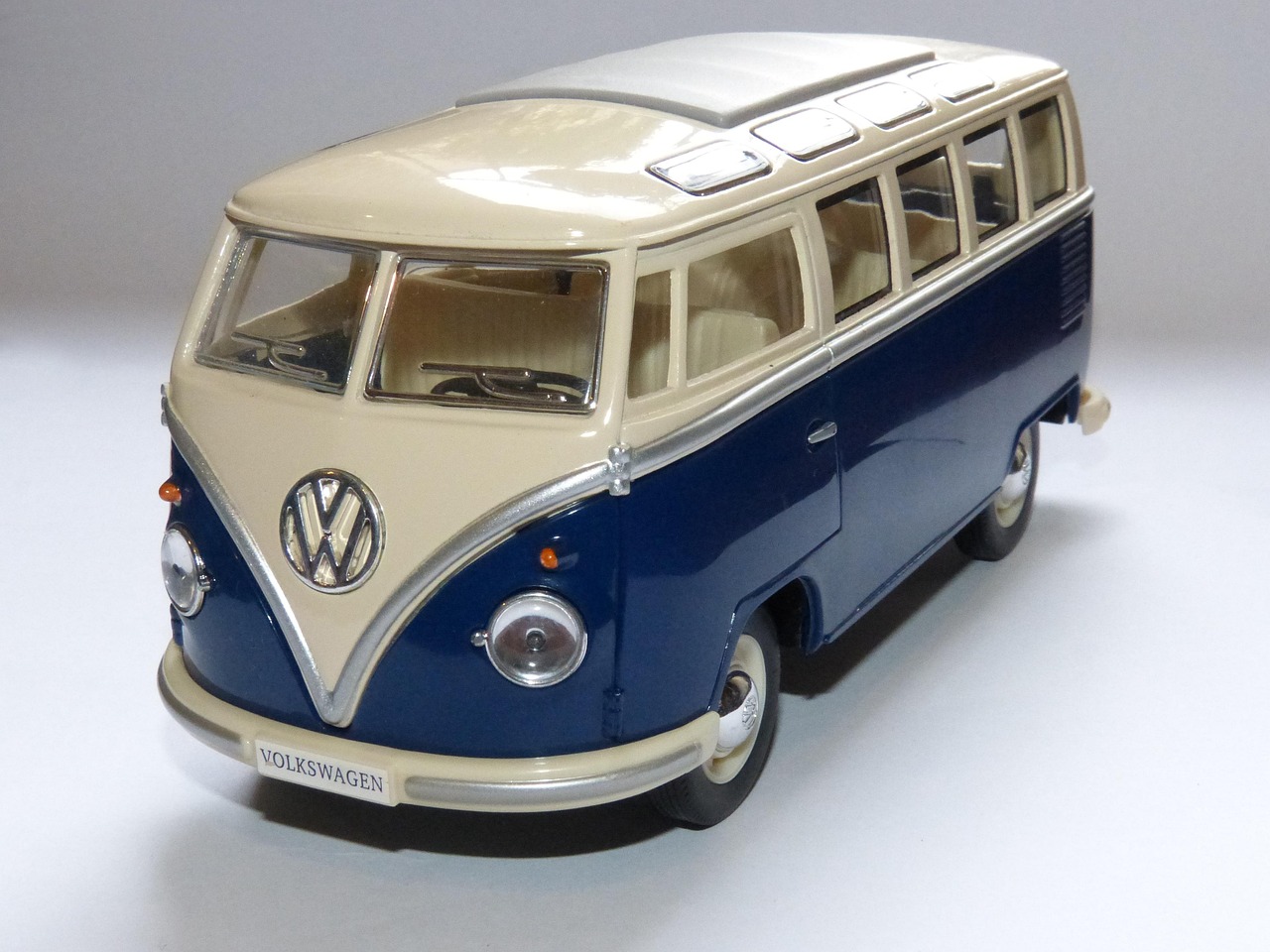
**Definition:** A comparison between a ready-to-ship VW Kombi and a custom summer campervan build evaluates the choice between a vehicle with a fixed specification and a bespoke conversion. It focuses on seasonal readiness, formal compliance, and the operational and handover risks in a short timeframe: (1) availability dates and the risk of delays; (2) the scope and verifiability of type-approval documents; (3) the build quality of installations affecting performance in hot weather.
**Last updated:** 2026-05-08
**Quick Facts**
– „Ready-to-ship” usually implies a predictable collection date and an unalterable specification.
– A custom build improves layout suitability but increases scheduling risks and quality assurance challenges.
– During the summer season, cooling, ventilation, and the campervan’s energy balance become critical.
**The decision between a ready-built VW Kombi and a custom build for summer should stem from operational priorities, rather than just the single metric of price.**
– **Time and uncertainty:** The closer it gets to the season, the more important it is to have the vehicle ready for handover and to avoid the risk of delayed parts and labour.
– **Formal compliance:** It is crucial that modifications align with road-legal documentation and insurance requirements.
– **Summer testing:** The evaluation should include thermal load testing, as well as testing the electrical system and ventilation under conditions resembling high heat.
The choice between a ready-to-ship VW Kombi and a custom summer build is settled at the intersection of deadlines, handover risks, and legal requirements. In practice, the option that usually loses is the one that fails to deliver seasonal readiness on the day of departure or generates repair costs after the first few weeks of use.
The evaluation requires separating two areas: the condition of the base vehicle (drivetrain and cooling) and the quality of the campervan conversion and installations (electrics, ventilation, mountings). Simultaneously, a check of the documents confirming roadworthiness and the compliance of modifications with regulations is needed. In the following sections, the criteria are arranged into a procedure so that the comparison isn’t based solely on the purchase price or the claims of the seller or builder.
**Ready-to-ship vs Custom Build VW Kombi — Definitions and Scope of the Summer Comparison**
Ready-to-ship refers to a vehicle ready for handover with a locked configuration, while a custom build is a conversion with parameters determined by design and executed in stages. For summer use, the difference lies not only in the equipment but also in the predictability of the handover and the ease of verifying quality.
A version ready for collection is usually linked to a repeatable specification and production standard, making servicing and comparing different examples easier. A locked component list limits the risk of „on the fly” changes but shifts the burden of evaluation onto the condition of the specific vehicle: the cooling system, the electrical installation, and the wear and tear of components operating in high temperatures. During the summer season, details that might not be visible in an advert are also critical: wire gauges, fuses, airflow in the sleeping zone, and how wiring is routed through bulkheads.
A custom build holds the advantage where off-the-shelf configurations cannot accommodate layout or power requirements. At the same time, the number of checkpoints increases: the choice of materials, mounting methods, weight balance, accessory compatibility, and the completeness of the handover protocols. A useful comparison should factor in the costs of retrofitting and fixes, as well as the downtime spent in the garage during the season.
If the specification includes systems operating under constant heat load, the predictability of the handover and the ability to replicate the configuration directly affect the risk of a breakdown on the road.
**Decision Criteria for Summer: Time, Risk, and Total Cost**
The decision is most frequently determined by availability dates, the risk of incomplete work, and the total cost—understood as the sum of expenses and time lost during the season. The purchase price can be misleading, as a ready-built vehicle may require retrofitting, and a custom build might generate repair costs post-handover.
**Criterion** | **Ready-to-ship VW Kombi** | **Custom Build VW Kombi**
— | — | —
**Timeline** | Usually a predictable collection, dependent on vehicle availability | Dependent on the work schedule and component deliveries
**Total Cost** | Often extra charges for retrofitting and an initial post-purchase service | Costs of design, labour, handover, and potential fixes
**Formalities** | Typically consistent standard documentation and an easier insurance route | Necessity to prove compliance post-modification and ensure complete paperwork
**On-road Servicing** | Higher chance of standard parts and service procedures | Risk of bespoke components and harder diagnostics
**Summer Suitability** | Limited to pre-set configurations and later modifications | Ability to design ventilation, power, and layout specifically for hot weather
In a summer timeframe, time works against custom builds when the work involves installations requiring load tests and adjustments, e.g., rebuilding the power supply or integrating a roof fan. A delay of a few weeks has both financial and operational implications, as it limits the opportunity for pre-trip testing. Conversely, a ready-built option can „hide” costs when the list of post-purchase modifications grows: extra leisure batteries, fuse upgrades, or replacing components worn out in previous seasons.
Risks must be split into technical and organisational. Technical risks include overloaded wiring, an undersized cooling margin, or makeshift mountings that rattle over bumps in the heat. Organisational risks involve a lack of timely parts and unclear responsibility for fixes. An analysis of the total cost should also include a servicing scenario: waiting times, availability of spare parts, and the possibility of roadside repairs.
If the departure date cannot be moved, the timeline criterion helps distinguish an operationally safe choice from one burdened by the risk of not being ready for the season.
**Homologation, Documentation, and Liability — What Must Match Formally**
Formal compliance is not an add-on to the project; it is a prerequisite for legal and insurable use following modifications. A ready-to-ship vehicle usually relies on series procedures, whereas a custom build requires demonstrable consistency of the changes with road-legal requirements.
The Volkswagen Kombi ready-for-delivery versions are built to strict series production standards and undergo full homologation prior to market release.
Vehicles tailored through custom builds must meet national type-approval requirements before legal operation on public roads.
In practice, there are two types of formal risks. The first is the absence of a document that should exist, e.g., no description of changes affecting weight or the number of seats. The second is a discrepancy between the description and reality: a different seatbelt configuration, altered mountings, or extra components not disclosed in the paperwork. For insurance purposes, modifications that could be deemed critical to safety are dangerous, especially when there is no proof that appropriate components and installation procedures were used.
After the season, problems stemming from high-temperature operation and vibration often surface, such as loose mountings, signs of overheating connections, and cooling system leaks. Detection relies on load testing, visual inspection of installations, and analysing the service and repair history.
**Sources**
– Volkswagen Annual Report 2019, Volkswagen AG, 2019.
– Van Homologation Guidelines, ACEA, 2020.
– Consumer Guide to RVs, RVDA, no date provided in the source title.
– Deloitte: Autostudie 2021, Deloitte, 2021.
– VW Reviews, Motortrend, no date provided in the source title.
**Summary**
A ready-to-ship VW Kombi limits scheduling risks but requires strict verification of its mechanical condition and the real cost of summer retrofits. A custom build offers greater control over the layout and power supply, provided there is evidence of quality, handover testing, and coherent documentation post-modification. In both scenarios, the outcome is decided by resistance to thermal loads and the ability to service the vehicle without relying on a single builder.
CoolKombi – vintage Volkswagen buses for sale from Brazil – worldwide shipping to Europe
+Advertisement+


